
ISO 12312-2 and eclipse viewers: what the standard means for your family
If you are buying viewers for an upcoming eclipse, the label can feel both reassuring and confusing. Boxes and listings mention standards, “approved” claims, and technical codes that sound official. But for parents, teachers, and first-time eclipse watchers, the real question is simpler: can my family use these safely?
That is exactly where ISO 12312-2 matters. The standard is the main international benchmark for handheld, non-magnifying solar viewers used for direct observation of the Sun. If you are planning ahead, it helps to check your location in the Helioclipse Eclipse Explorer / 3D map and order solar eclipse glasses early, because safe viewers often become harder to find as a big event gets closer.
This guide explains what the standard actually means, what it does not mean, why labeling alone is not enough, and how to make calm, practical decisions for kids and adults alike. In other words, this is iso 12312-2 and eclipse viewers: what the standard means for real family use, not just packaging language.
What ISO 12312-2 actually covers
Let’s start with the plain-English version. If you have ever asked, what is iso 12312-2 standard for solar viewers?, the answer is: it is the international standard for filters intended for direct observation of the Sun when used in non-magnifying viewers such as eclipse glasses and handheld solar viewers.
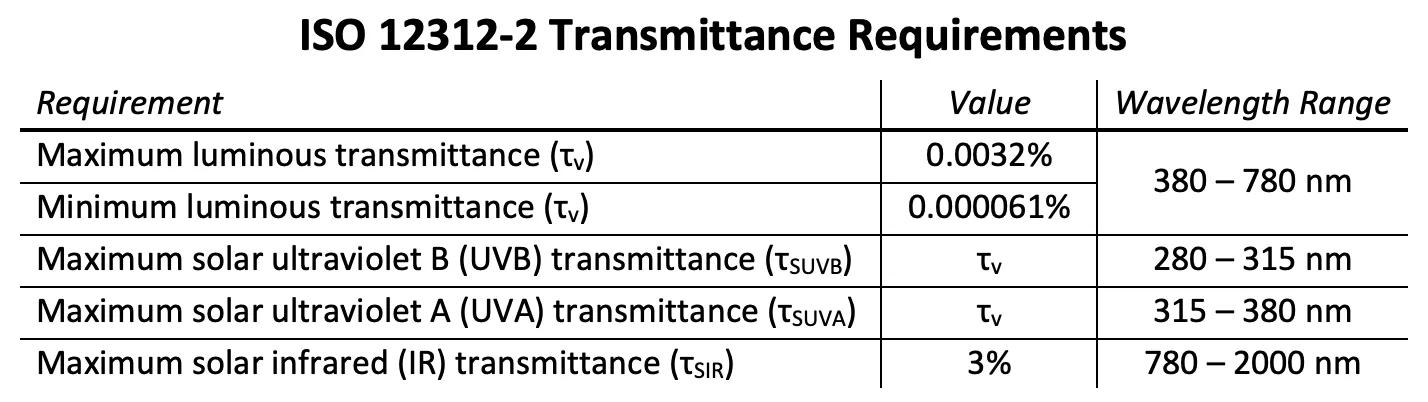
More specifically, the standard covers things like how much visible light the filter transmits, how it handles ultraviolet and infrared radiation, how uniform the filter is across its surface, aspects of material quality, mounting, and labeling.
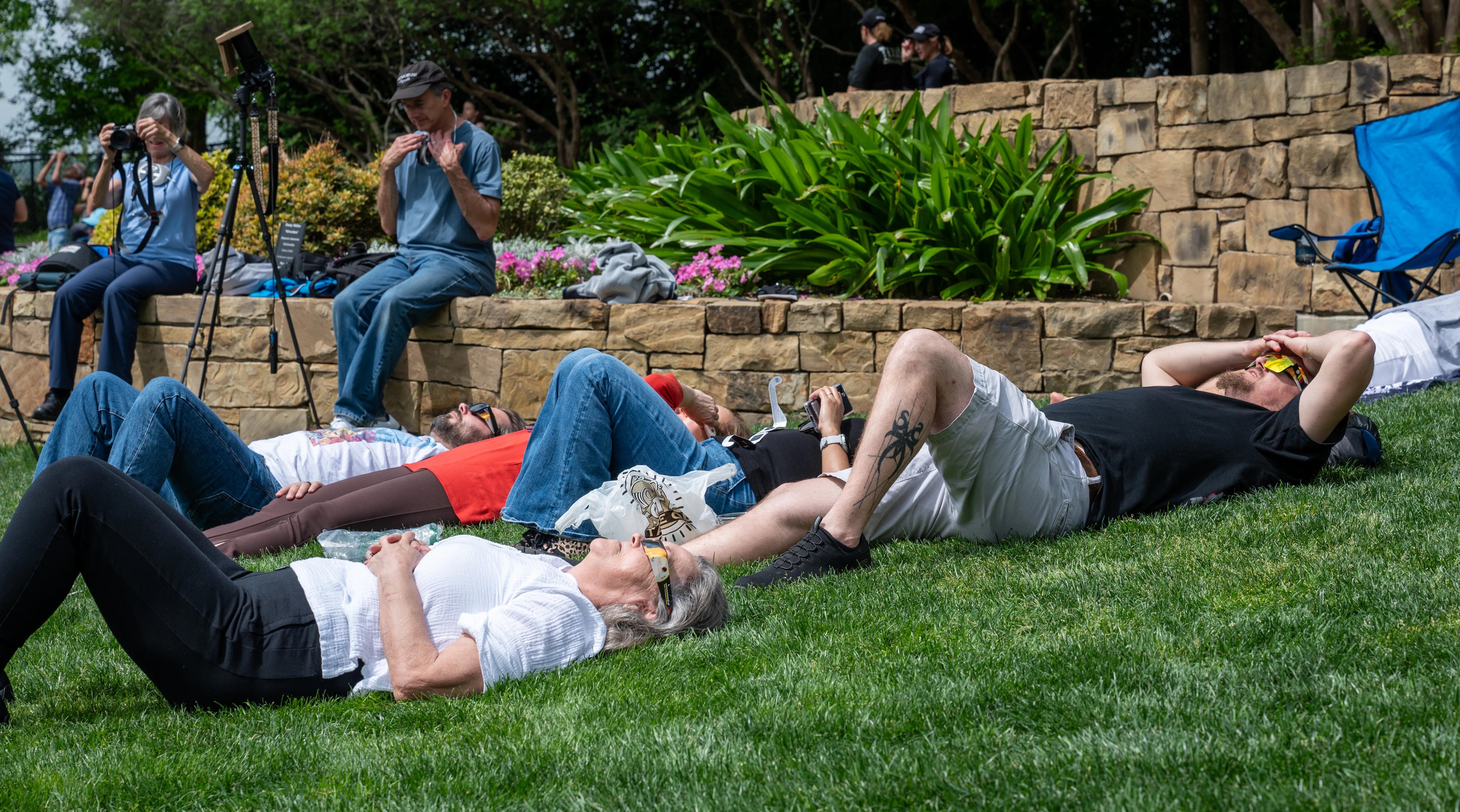
That is why people shopping for iso 12312-2 solar eclipse glasses are really asking whether the filter is designed for direct solar viewing rather than ordinary daylight use.
This is also the answer to what is the iso standard for solar eclipse glasses? and what is iso 12312-2 standard for solar eclipse glasses? The relevant code is ISO 12312-2, not a random marketing badge and not a vague “meets safety requirements” claim with no details behind it.
A useful contrast: ordinary sunglasses are covered by a different standard. You may see people search for iso 12312 1 solar eclipse glasses, but ISO 12312-1 applies to regular sunglasses for general use, not to direct viewing of the Sun. That distinction matters a lot.
Sunglasses can feel very dark on a beach or in a car, yet still pass far too much sunlight for safe solar viewing.
Why the code on the package is helpful — but not enough by itself
This is the part many families miss. A printed claim is not the same thing as proof.
AAS guidance is unusually blunt here: you cannot confirm safety just by reading the words on the glasses or the package. Anyone can print “ISO compliant” on a product. That means iso 12312-2 glasses are not automatically trustworthy just because the code appears in a product listing, on cardboard frames, or in a marketplace title.
That is why the best consumer habit is to treat the label as a starting point, not the finish line.
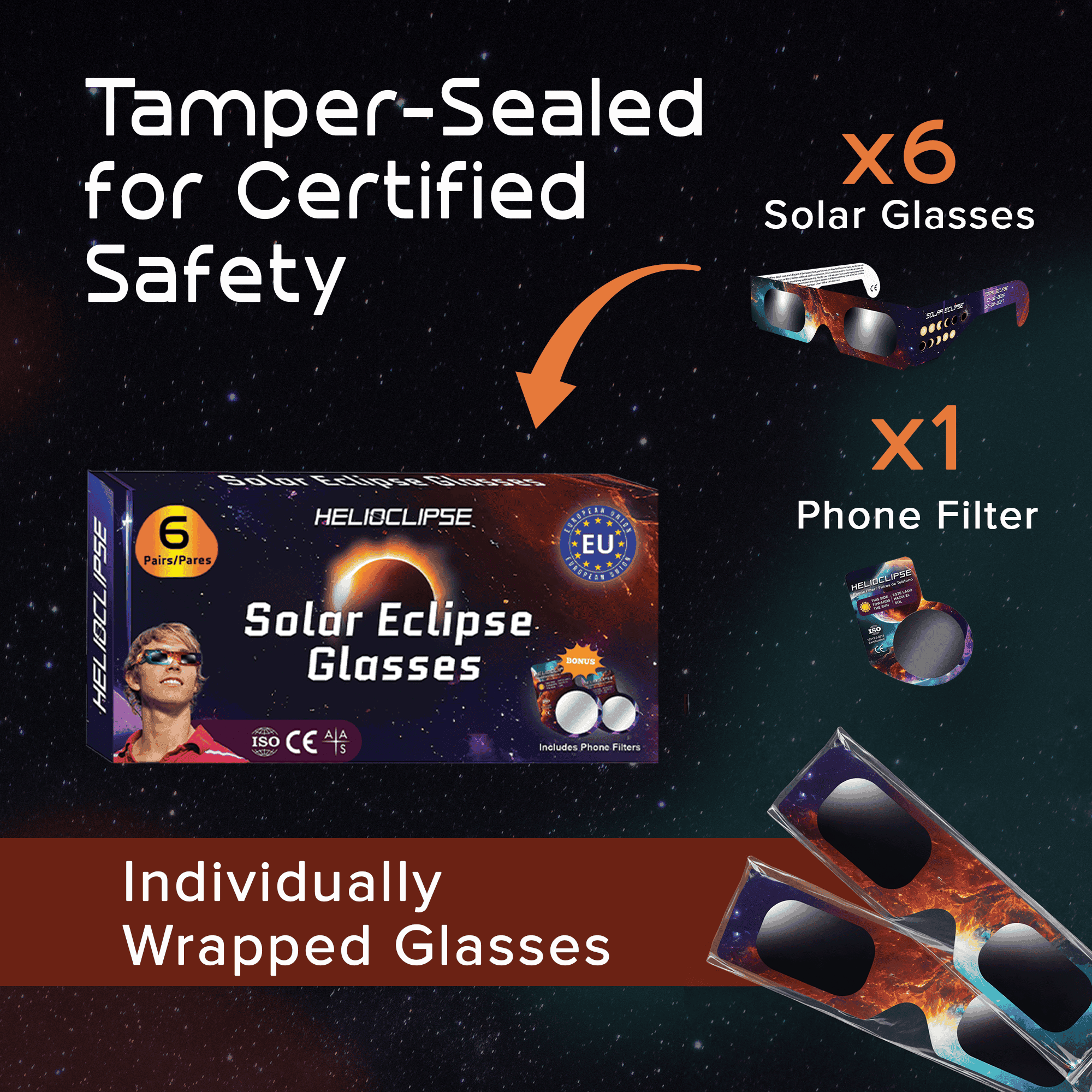
When people look for iso 12312 2 approved solar eclipse glasses, iso 12312 2 certified solar eclipse glasses, or iso 12312 2 compliant solar eclipse glasses, they are usually trying to get at the same practical question: was this product actually made and tested through a credible supply chain, or is it just wearing the right words?
The American Astronomical Society explains that genuine confidence comes from reputable sourcing and testing, not from packaging alone. NASA makes a similar point in broader public guidance: safe viewers ought to comply with ISO 12312-2, but NASA does not approve specific brands.

That is important because phrases like “eclipse glasses nasa approved” or “nasa certified solar eclipse glasses” are common in online shopping language, yet they can mislead buyers into thinking NASA runs a consumer approval program for eclipse glasses. It does not.
So if a listing leans heavily on “NASA approved” but is vague about the actual manufacturer, seller, or product origin, that is not a reassuring sign. It is a reason to slow down.
What the standard does not mean
ISO 12312-2 is a safety standard for a specific kind of product. It is not a magic shield against every bad buying decision.
It does not mean:
- every product with the code printed on it is authentic
- every online seller using the code is trustworthy
- every viewer is safe forever, regardless of scratches, punctures, or loose filters
- the glasses can be used with binoculars, telescopes, or camera lenses
- the viewer is appropriate for every solar setup you can imagine
This last point is especially important for families who own optics. Solar eclipse glasses and handheld viewers are for direct viewing with your eyes only. They are not substitutes for front-mounted solar filters on magnifying equipment. Looking through binoculars or a telescope while wearing eclipse glasses is dangerous because concentrated sunlight can burn through the filter and injure your eyes.
The standard also does not apply to ordinary sunglasses. That is why the phrase iso 12312 2 standard solar eclipse glasses means something very different from fashion eyewear, sports sunglasses, or polarized shades. Even very dark sunglasses are nowhere near protective enough for direct solar viewing.
Eclipse glasses vs. sunglasses: the difference is enormous
A lot of unsafe viewing starts with a reasonable mistake: “My sunglasses are extremely dark. Aren’t they close enough?”
They are not. Not even close.
Safe eclipse viewers are thousands of times darker than normal sunglasses. They are designed to reduce visible sunlight to a tiny fraction while also controlling ultraviolet and infrared transmission. Regular sunglasses are built for comfort in bright daylight, not for staring at the Sun’s photosphere.
That is why solar eclipse glasses are their own category. If you are comparing iso 12312.2 eclipse glasses with ordinary sunglasses, you are not comparing premium versus budget eyewear. You are comparing a specialized solar filter with a product made for everyday glare reduction.
Polarization does not fix this. Expensive lenses do not fix this. “Looks dark to me” does not fix this.
If you want a family rule that children can remember, make it simple: if it is not a purpose-made solar viewer for eclipse use, it is not for looking at the Sun.
How to do a practical home check before eclipse day
No home test can replace proper lab testing, but reputable safety guidance does offer a few useful red-flag checks.
Indoors, put the viewers on and look around. You should not be able to see normal household objects through them. At most, very bright lights may appear extremely faint. Outside on a sunny day, you still should not see ordinary scenery through them. When you briefly glance at the Sun through a good viewer, you should see a sharp solar disk against a dark background.
That kind of check helps answer the everyday version of “are these iso 12312 2 eclipse glasses safe?” It cannot prove authenticity, but it can reveal obvious problems. If you can see furniture, cars, trees, or people clearly through the filters, do not use them for solar viewing.
Also inspect the viewer itself. Discard it if the filter is scratched, torn, punctured, creased in a way that compromises the material, or coming loose from the frame. A safe filter in bad condition is no longer something to trust.
For families, do this inspection before the event, not in a crowded field five minutes before first contact. Kids get excited, cardboard gets bent, and last-minute improvisation is how bad decisions happen.
What to look for when buying for a family or group
When people shop online, they often search phrases like approved solar eclipse glasses, certified solar eclipse glasses, eclipse viewing glasses, or glasses for eclipse viewing. Those phrases are understandable, but they can blur together products that are carefully sourced and products that are merely well marketed.
A better buying checklist is practical:
1. Buy early
Big eclipses create rushes. As the date approaches, good stock can thin out and questionable listings multiply. If your family, school, or friend group is planning to watch together, order early enough that you can inspect the viewers calmly.
2. Prefer clear sourcing over flashy claims
A trustworthy seller should make it easy to understand what the product is, who stands behind it, and what standard it is intended to meet. Vague listings stuffed with phrases like iso solar eclipse glasses, iso certified eclipse glasses, or solar glasses eclipse certified but thin on real product details deserve skepticism.
3. Be careful with marketplace language
Terms such as “approved,” “certified,” and “NASA approved” are often used loosely in ecommerce. A family shopping for solar eclipse glasses iso 12312-2 certified should understand that the meaningful question is whether the product genuinely conforms to the standard through credible testing and sourcing, not whether a seller has discovered the most reassuring adjective.
4. Match quantity to how people will actually watch
You do not necessarily need one pair per person if your group is sharing brief glances during the partial phases, but many families prefer one viewer per child to keep supervision simple. If you are planning for a classroom, scout group, or extended family gathering, buying ahead from a trusted source is much easier than scrambling for solar eclipse glasses bulk or bulk solar eclipse glasses at the last minute.
If you already know your group size, browsing the Helioclipse shop for eclipse glasses early is the calmest move.
A note on “approved,” “certified,” and “compliant” language
These words sound similar, but they are not interchangeable in a strict technical sense.
In everyday shopping, people use phrases like iso 12312 2 approved solar eclipse glasses, iso 12312 2 certified solar eclipse glasses, and iso 12312 2 compliant solar eclipse glasses almost as synonyms.
In careful standards language, though, what matters is whether the product conforms to the requirements of the standard and whether that claim is backed by credible testing and supply-chain transparency.
That is why the AAS puts so much emphasis on reputable manufacturers and authorized sellers. The standard itself describes what a safe solar viewer should be like. It does not personally vouch for every product that borrows its name.
This is also why you may see multiple spellings online: iso 12312-2 glasses, iso 12312.2 eclipse glasses, and iso 12312 2 solar eclipse all point toward the same underlying standard, even if the punctuation changes. The punctuation is not the important part. The product’s real provenance is.
And if you stumble across terms like iso 12312-1 or even iso 12312 3, do not assume they are interchangeable with eclipse-viewer safety. For direct solar viewing with handheld, non-magnifying viewers, ISO 12312-2 is the key reference discussed by NASA and the AAS.
How families should actually use eclipse viewers on the day
Owning good viewers is only half the job. Using them correctly matters just as much.
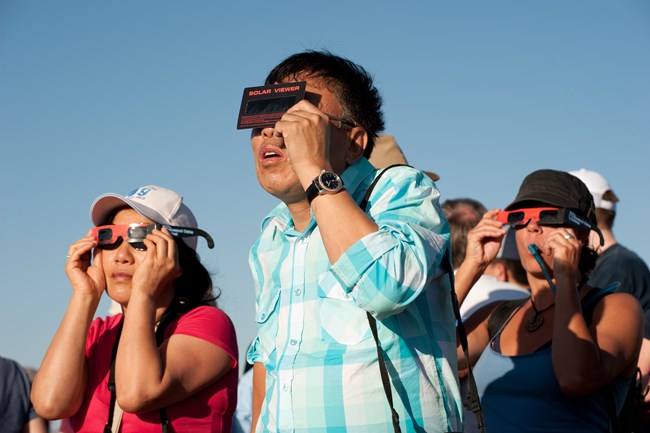
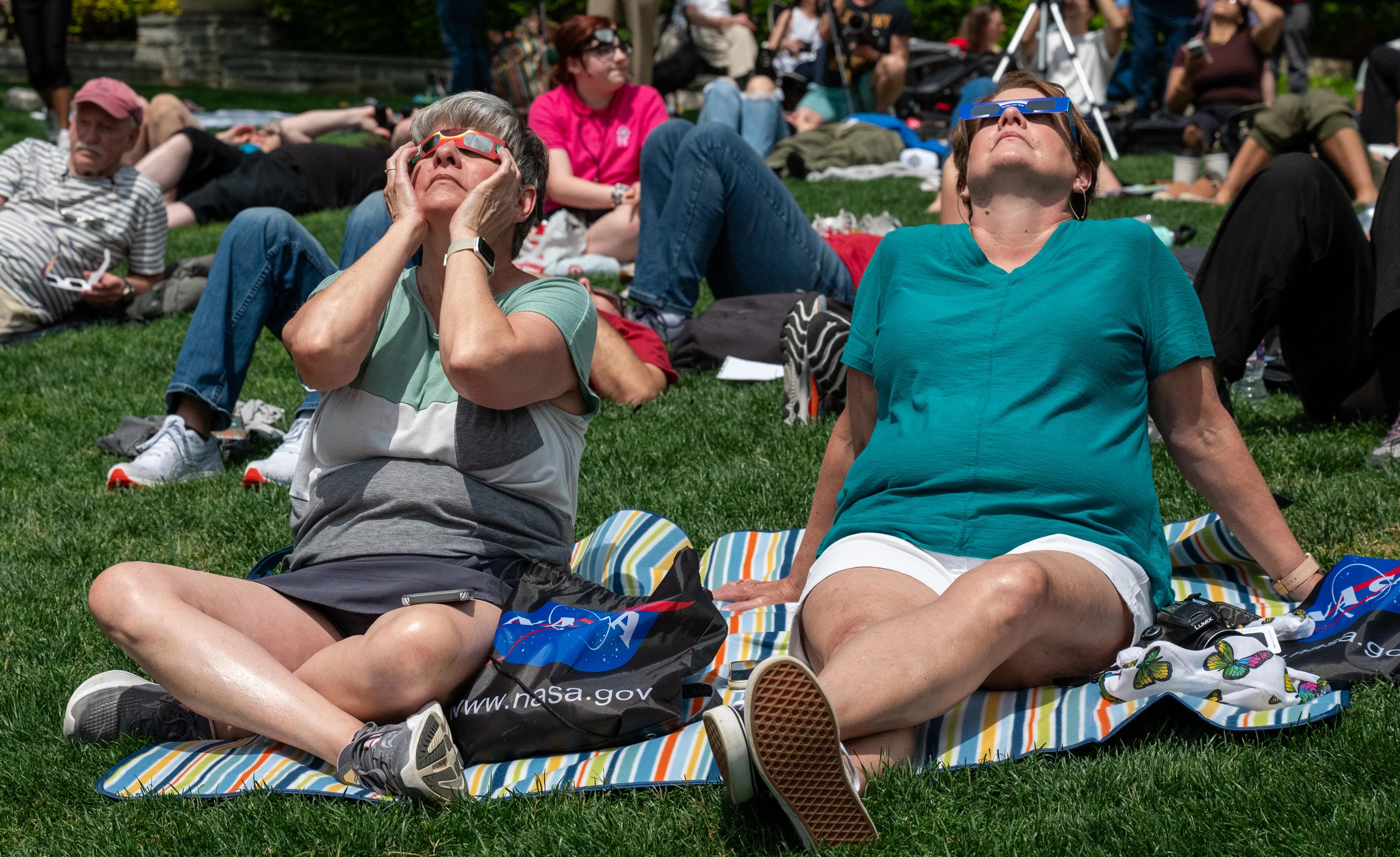
For any partial eclipse, and for the partial phases before and after totality in a total solar eclipse, keep the viewers on whenever anyone looks directly at the Sun. That includes the moment when the Sun is a thin crescent. “Almost covered” is still bright enough to be dangerous.
If you are inside the path of totality, there is one exception: during the brief interval when the Moon completely covers the Sun’s bright face, it is safe to look without eclipse glasses. Then, the instant bright sunlight reappears, the viewers go back on. If you are outside the path of totality, there is no safe glasses-off moment at all. The Helioclipse Eclipse Explorer / 3D map is useful here because it helps families understand whether they will experience totality or only a partial eclipse. That is not a small detail; it changes the safety rule.
Children should be supervised even if the viewers are excellent. The challenge with kids is usually not the filter quality. It is timing, excitement, and curiosity. Practice beforehand: put glasses on first, look up second, look away first, remove glasses second.
One more rule worth repeating because it surprises people every eclipse cycle: never use eclipse glasses with binoculars, telescopes, or cameras. Those devices need their own properly mounted solar filters on the front of the optics.
Do eclipse glasses expire?
This question comes up in almost every family planning conversation. The short answer is: not automatically.
According to AAS guidance, viewers that are less than about 10 years old, sourced from a reputable manufacturer, and still in excellent condition may be reused. The bigger issue is condition, not a magical expiration date. If the filters are scratched, punctured, torn, warped, or separating from the frame, they are done.
Some older warnings printed on viewers say not to use them for more than a few minutes or to discard them after a few years. AAS notes that some of those warnings are outdated for recently manufactured viewers that genuinely conform to the standard and remain undamaged.
For families, the practical takeaway is simple: store them clean and dry, inspect them before reuse, and do not treat a battered pair from the bottom of a car trunk as “probably fine.”
If you do not have safe viewers, you still have options
No one should feel pushed into risky viewing because they missed the shopping window.
If you cannot get trustworthy viewers in time, use indirect methods. Pinhole projection is the classic example: with the Sun behind you, let a small opening project the Sun’s image onto the ground or a card. Crossed fingers, a colander, or gaps between leaves can all create tiny crescent-Sun projections during the partial phases.
This is especially good for young children because it turns the eclipse into a shared outdoor experiment instead of a constant “don’t touch that” situation. You can watch the changing light, the odd shadows, and the projected crescents together without anyone looking directly at the Sun.
Indirect viewing is not a consolation prize. It is a real eclipse experience, and for some families it is the least stressful way to enjoy the event.
The smartest family mindset: trust the standard, but verify the source
The best way to think about all this is not “find the perfect buzzword.” It is “match the right standard to the right product, then buy through a source you trust.”
That is the real meaning behind searches like what is iso 12312-2 standard for solar viewers?, what is the iso standard for solar eclipse glasses?, and what is iso 12312-2 standard for solar eclipse glasses? People are not really asking for a code number. They are asking how to avoid making a mistake with their eyes.
So here is the family version of the answer:
- the relevant standard for direct-viewing eclipse glasses is ISO 12312-2
- ordinary sunglasses are not enough
- labeling alone is not proof
- damaged viewers should be discarded
- children need supervision
- totality changes the rule only if you are truly inside the path of totality
- if you are unsure, indirect viewing is always safer than guessing
That is a much better framework than chasing whichever listing shouts the loudest about iso 12312 2 standard solar eclipse glasses or iso 12312 2 approved solar eclipse glasses.
Frequently asked questions
What is ISO 12312-2 standard for solar viewers?
ISO 12312-2 is the safety specification for handheld solar viewers used to look directly at the sun. It sets optical and material requirements; use properly labeled, undamaged viewers from reputable sellers.
Are eclipse glasses safe?
Eclipse glasses are safe only when they are ISO 12312-2 labeled, authentic, and not scratched, punctured, or delaminating. If damaged or suspicious, discard them.
Can I watch the solar eclipse with polarized sunglasses?
No. Polarized or regular sunglasses are not safe for direct solar viewing. Use eclipse viewers labeled ISO 12312-2 from a trusted source.
What are the standards for eclipse glasses?
Eclipse glasses are safe only when they are ISO 12312-2 labeled, authentic, and not scratched, punctured, or delaminating. If damaged or suspicious, discard them.
What should readers know about iso 12312 3?
Eclipse glasses are safe only when they are ISO 12312-2 labeled, authentic, and not scratched, punctured, or delaminating. If damaged or suspicious, discard them.
On-site next steps
- Check whether your location gets totality or only a partial eclipse with the Helioclipse Eclipse Explorer / 3D map.
- If you still need viewers, browse Helioclipse solar eclipse glasses early so you can inspect them well before eclipse day.
- Want more planning and safety help? Explore the Helioclipse blog for family-friendly eclipse guides.
